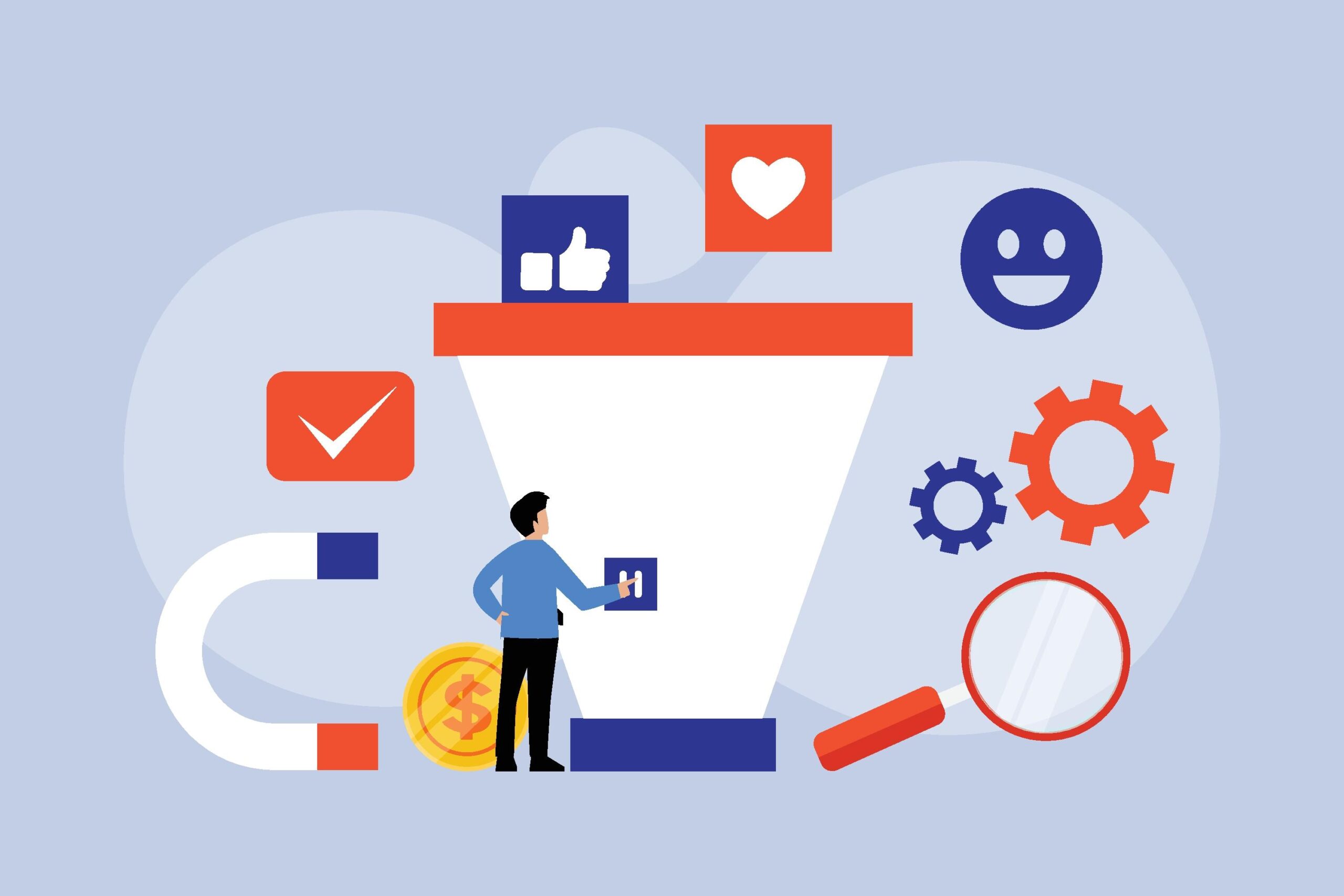
User Experience First: Designing Websites That Convert Visitors Into Customers
In the digital world, your website often serves as the first impression of your brand. Visitors decide within seconds whether they will stay, explore, or leave. This is why user experience (UX) design plays a critical role in turning casual visitors into loyal customers. A website that prioritizes usability, clarity, and engagement can dramatically improve conversions and customer satisfaction.
Designing with user experience in mind means creating a website that is intuitive, visually appealing, and aligned with the needs of your audience.
Why User Experience Matters for Conversions
User experience directly influences how people interact with your website. When visitors find it easy to navigate your site, understand your offerings, and complete actions such as signing up or making a purchase, they are far more likely to convert.
A strong UX design helps businesses:
- Reduce bounce rates
- Increase time spent on the website
- Improve engagement with content
- Encourage users to complete desired actions
- Build trust with potential customers
When visitors feel comfortable and confident while browsing your site, they are more likely to move from interest to action.
Understanding the User Journey
To design a website that converts, it’s important to understand how users interact with your site from the moment they arrive.
A typical user journey includes:
- Discovery – Visitors arrive through search engines, ads, or social media.
- Exploration – They browse pages to learn about your services or products.
- Evaluation – They compare options and assess credibility.
- Action – They complete a conversion, such as filling out a form or making a purchase.
A well-designed website removes obstacles along this journey and guides users naturally toward the final action.
Key UX Principles That Improve Conversions
Clear Navigation
Visitors should be able to find what they need quickly. Simple and organized navigation menus help users explore your website without confusion.
Fast Page Speed
Slow websites drive visitors away. Optimizing page load times improves both user experience and search engine rankings.
Mobile-Friendly Design
With a large portion of users browsing on mobile devices, responsive design is essential. A mobile-friendly website ensures users can easily navigate and interact with your content regardless of screen size.
Visual Hierarchy
Effective UX design uses spacing, color, and typography to guide users’ attention to the most important elements such as calls-to-action, product features, or contact forms.
Strong Calls-to-Action (CTA)
Clear and compelling CTAs encourage visitors to take the next step. Buttons such as “Get Started,” “Request a Quote,” or “Learn More” help guide users toward conversion.
Building Trust Through Design
Trust is a major factor in online conversions. Users are more likely to become customers when a website looks professional and credible.
Design elements that help build trust include:
- Consistent branding
- High-quality images and graphics
- Testimonials and client reviews
- Security indicators for transactions
- Clear contact information
These signals reassure visitors that your business is legitimate and reliable.
Content That Supports User Experience
Content and UX design work together to guide users through your website. Clear, concise, and engaging content helps visitors understand your offerings and encourages them to take action.
Effective website content should:
- Address the visitor’s needs and problems
- Highlight benefits rather than just features
- Be easy to scan with headings and short paragraphs
- Provide helpful information that builds authority
When content aligns with user expectations, it enhances the overall experience and improves conversion rates.
Continuous Improvement Through Data
Designing a high-converting website is an ongoing process. Businesses should regularly analyze user behavior through tools such as analytics platforms and heatmaps.
By observing how users interact with your site, you can identify:
- Pages where visitors drop off
- Buttons that receive the most clicks
- Navigation areas that cause confusion
Using these insights allows you to refine your UX design and continuously improve conversion performance.
Creating Websites That Deliver Results
A website that prioritizes user experience does more than look attractive — it guides visitors toward meaningful actions. By focusing on usability, clarity, and trust, businesses can create digital experiences that convert visitors into customers.
In a competitive online environment, user-centered design is one of the most powerful tools for driving growth and building long-term customer relationships.
